
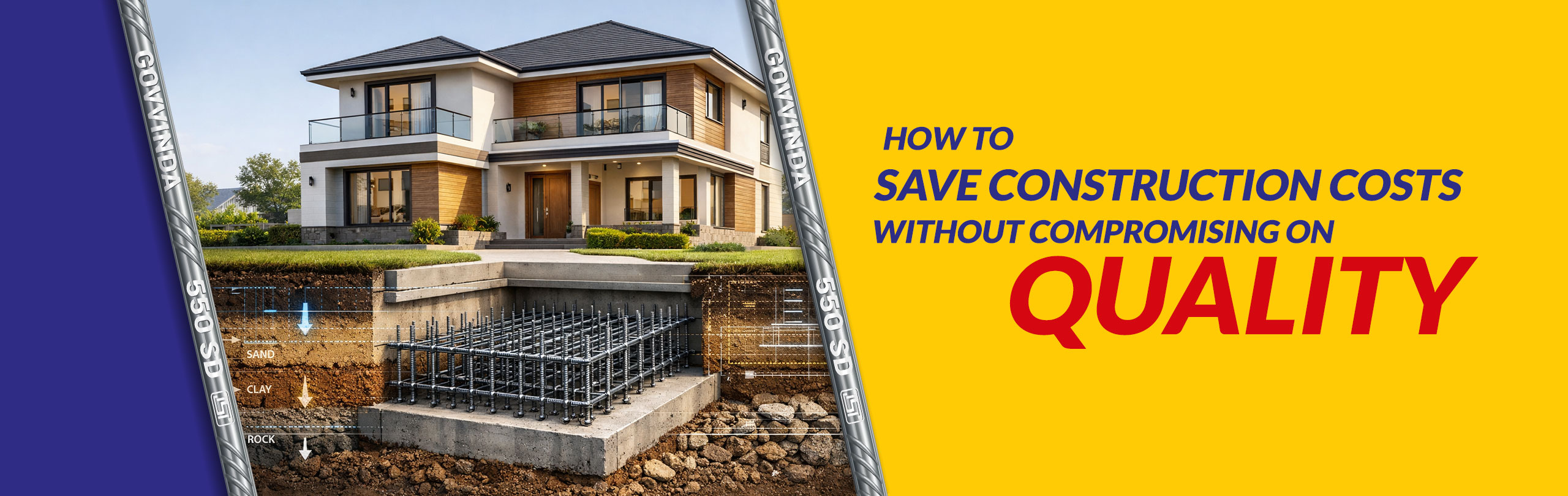
Putting up a house feels great, yet there’s usually one tough part – keeping costs under control while still doing things right. A lot of folks assume tight budgets need low-grade supplies or avoiding pros altogether; however, this isn’t how it works. Clever building focuses on sensible spending, getting organized ahead of time, also picking stuff that holds up well over years.
Here’s one way to keep expenses low while putting together a solid, good-looking house.
- Start with a Clear Plan
A carefully thought-out house is cheaper to put up. Starting work without a complete blueprint causes minor tweaks down the line that snowball into high costs. Relocating a wall or adjusting stairs halfway through brings added effort, unused supplies, because delays pile up.
Sit down with your architect along with the engineer before jumping in. Lock in your floor plan, how big each room should be, plus structural bits ahead of time. Spending just a few hours organizing now might cut out weeks of fixing stuff afterward.
- Pick the Right Materials
Fairly solid stuff might set you back some extra cash upfront; still, it keeps repair bills and swaps down the line at bay. Go for approved items every time – this goes double for concrete, metal beams, or blocks.
Take TMT bars with a BIS stamp – they’re stronger while also resisting rust much better. These materials keep buildings solid yet protected over time. Looking ahead, picking top-grade stuff actually cuts expenses down the road.
- Optimize the Structural Design
A clever build might cut down on materials while keeping things just as safe. Where a solid design goes, it picks exactly how much metal or cement’s needed – no extra, no shortage.
Your structural engineer might recommend the best setup for beams and columns on your land – saving cash while keeping strength solid through smarter choices.
- Hire Skilled Workers
Cheap workers might seem like a smart move at first – yet problems usually pop up later. Bad job quality brings errors, fixes needed after completion, along with extra material used up.
Hire workers who’ve done this before – masons, rebar folks, or team leads that get it. Good ones move quick while keeping things solid. That’s how you stretch every rupee without cutting corners.
- Don’t Overbuild
Some beginners get carried away stacking thick pillars, wide terraces, or flashy fronts into their plans. They might seem cool at first glance yet end up spiking the price fast.
Zero in on the essentials. A clean setup that works well tends to feel sleek while being simpler to look after. Each added support or ornamental partition raises expenses – rarely boosts worth.
- Buy Smart and On Time
Buy supplies in large amounts just when it’s necessary – while you might save money, keeping them too long could mean spoilage or someone taking them.
Line up when stuff arrives with how far along you are building. That way money moves smooth without pileups around the area.
- Keep Track of Your Budget
Keep your expenses clear with a basic cost chart – refresh it every week. Jot down what you pay out for supplies, workers, or outside help.
If things begin costing more than planned, you’ll spot it fast while there’s still room to tweak. Bring your site engineer into the loop – they’ll keep an eye on expenses alongside how solid the work is.
Final Thoughts
Saving cash while building your dream home, doesn’t mean using low quality building materials. It’s more like thinking ahead, designing wisely – plus keeping a close eye on progress.
Strong steel changes everything in construction. Govvinda TMT Bars bring toughness, bendability, while fighting rust – so your house stands firm without draining cash. Thinking ahead now means less worry later on.