
Introduction
A roof over your head might just be the largest purchase most households face. More than four walls, it’s something that could increase in worth as years pass. How firmly nails meet wood shapes whether that worth sticks around down the line.
Homeowners often think just about today’s building price. Yet choices made while constructing shape how much upkeep will cost later, also affecting what buyers might pay down the line. Using better techniques and proper materials keeps a home solid and secure, even after seasons pass. Strength lasts when quality goes into every step from the start.
Picking certain materials might boost what your house is worth over time. Some design tweaks could make a difference down the road. Using durable roofing may pay off years later. Floor plans that flow well tend to stay appealing. Windows placed smartly often add quiet comfort. Outdoor spaces built tough usually last seasons without fuss. Foundations poured deep resist shifting better. Insulation done right keeps energy steady through extremes.
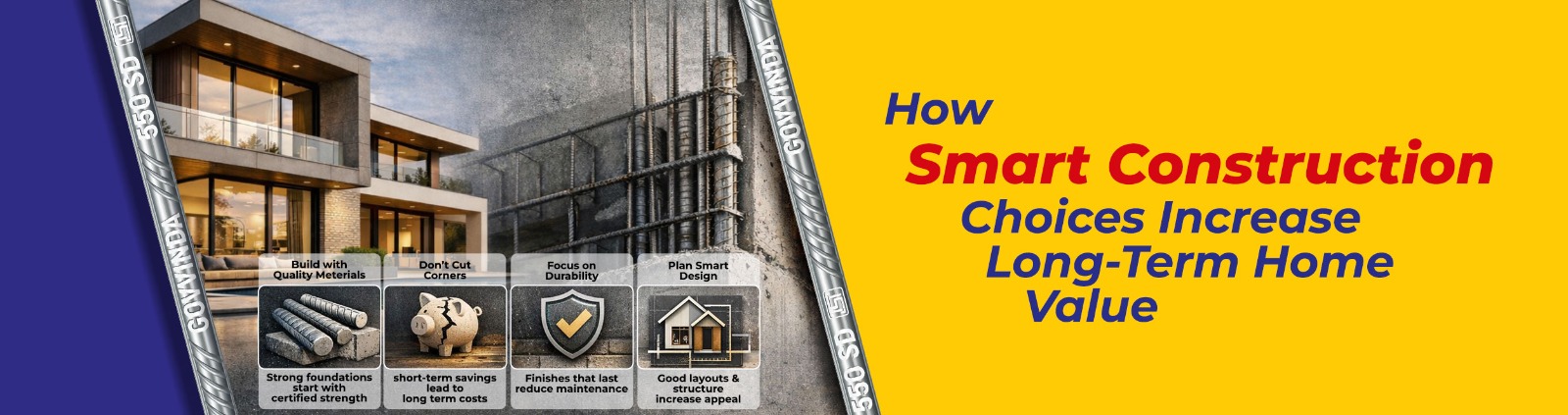
Built to last, quality materials come first when choosing what matters most
A solid home begins with what it’s built from. When strong cement holds things together, stability lasts much longer. Bricks that resist wear make walls tougher over time. Steel inside the framework keeps everything locked firmly in place.
Starting with solid materials makes more sense when building something meant to last. Instead of picking cheaper versions just to spend less now, going for verified ones works out smarter. Take TMT bars with BIS certification — these handle stress far better once set into walls and beams. Over months or years, they reduce the chance of splits forming where you do not want them.
Starting off pricey does not mean spending more overall when better stuff lasts longer. Because fewer fixes add up, what feels expensive now actually saves cash down the line.
A. Invest in a Strong Foundation
A solid base is where any lasting construction starts. Because it carries all the weight above, great care goes into how it’s planned and put together. A shaky start beneath a home might lead to trouble down the line—cracks creeping up walls, floors tilting slightly, pressure building where it shouldn’t. Using strong TMT rods when building the bottom layer adds toughness, letting the structure stand firm year after year.
Few things matter like a solid base. It shapes how long a building lasts while quietly reassuring those who might buy later.
B. Avoid Cheap Shortcuts During Construction
Construction troubles usually start when corners get cut to lower costs. Cheap materials slip in, rules are overlooked, and sometimes workers without proper training take on tasks. Savings show up fast, yet down the road, repairs pile on.
A home stands stronger when built right the first time. Workers who know their trade and proper site guidance keep everything solid. Mistakes fade where care begins early.
A solid build means less fixing down the road, holding worth year after year. What holds up strong today often skips the handyman tomorrow, staying steady through seasons.
C. Focus on Maintenance-Friendly Finishes
Home finishes play a role in how well its worth holds over time. Picking paints, tiles, and fittings matters just as much. Fixtures need attention too, since small choices add up later.
Fewer touch-ups are needed when surfaces hold up well over time. Take sturdy tiles or paint that shrugs off rain and sunlight — they stay fresh long after installation. A home keeps its look without constant care if materials can take daily wear.
Right now, picking these options might not feel like much. Still, they cut down on upkeep bills later while helping the place stay appealing when it’s time to sell.
D. Keep Documentation and Quality Records
Most people forget about saving paperwork. When repairs happen, having receipts tucked away helps down the road. Warranties matter too — knowing where they are saves time. Supplier names and numbers? Hold on to those.
When it comes time to sell, having paperwork about what went into the build matters. Proof of quality supplies sits well with new buyers, often nudging the final offer higher. Records like these don’t shout — but they do speak clearly when questions come up.
E. Conclusion
A house meant to last begins with clear thinking, then solid decisions during the build. Good materials matter, so does how they come together on site. The base must hold firm, crafted by hands that know their trade. Finishes need to endure, not just impress. Lasting structure grows from choices made early, repeated right at every step after.
A well-kept home grows beyond walls and rooms. With time, it turns into something lasting, passed down through families.
Strong materials matter when building homes. From the start, durability shapes how well a house holds up over time. GovvindaTMT makes steel bars built to handle stress without bending easily. These bars hold concrete together tightly under pressure. Because they resist rust and heat, buildings stay safer through changing seasons. Homeowners gain peace of mind knowing their investment stays solid year after year.